
















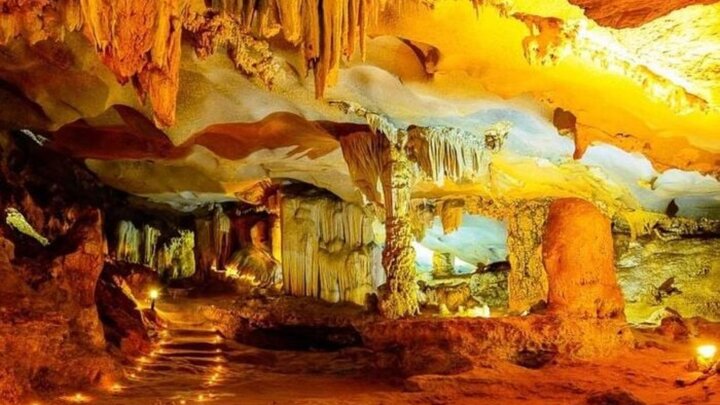
1. Introduction to the caves in Ha Long Bay
1.1. Why are the caves in Ha Long Bay recognized by UNESCO?
It is no coincidence that UNESCO recognized Ha Long Bay as a World Natural Heritage site twice, in 1994 (aesthetic value) and 2000 (geological - geomorphological value). The cave system here is an important part that created this title.
Geologically, Ha Long Bay is mainly formed from limestone, undergoing weathering and erosion processes for tens of millions of years. Rainwater seeps through cracks, dissolves limestone, gradually forming hollow spaces, which then expand into large caves. This process is called karstification – a geological phenomenon characteristic of humid tropical regions.
According to documents from the Ha Long Bay Management Board, hundreds of large and small caves have been discovered in the area, many of which have outstanding aesthetic, archaeological, and ecological values. Some caves still preserve traces of prehistoric human habitation, indicating that humans once lived here thousands of years ago.
The value of the caves in Ha Long Bay is not limited to tourism. They also serve as "natural laboratories" for geologists, archaeologists, and ecologists. The cave ecosystem with endemic bats, insects, and microorganisms also contributes to enriching the biodiversity of the bay.
It is this combination of spectacular landscapes, long geological history, and scientific value that has made the cave system here an inseparable part of the World Heritage dossier.
1.2. Classification of caves in Ha Long Bay
The caves in Ha Long Bay can be divided into three main groups based on their structural characteristics and forms of visitation.
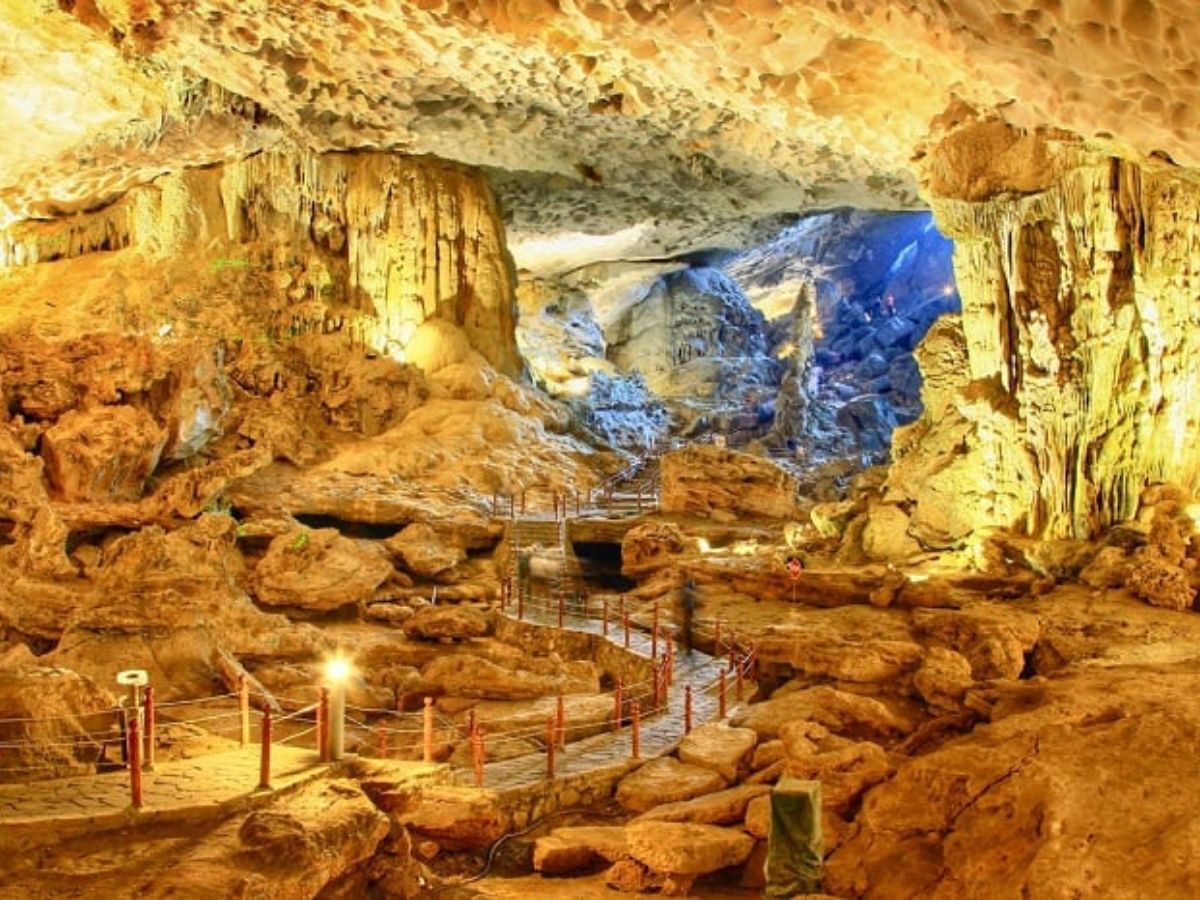
Dry caves are caves located high on mountain slopes that are not submerged and require climbing stone steps to visit. (Source: Collected)
The first group is dry caves. These are caves located high on mountain slopes, not submerged, and visitors must climb stone steps to visit. Notable names in this group include Sung Sot Cave (Surprise Cave) or Thien Cung Cave. The interior space is usually vast, with many stalactites and stalagmites in unique shapes.
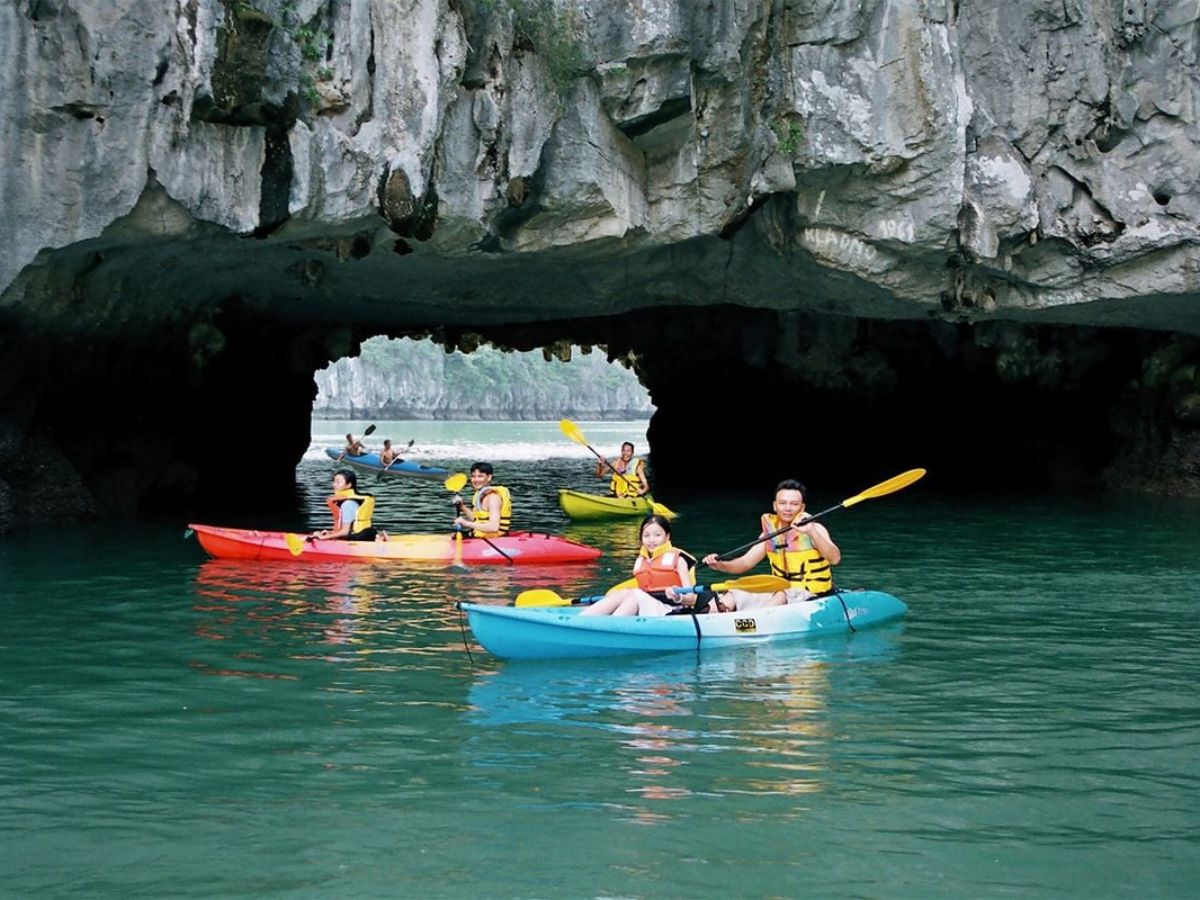
Water caves are located close to sea level, have low entrances, and usually require travel by sampan or kayak. (Source: Collection)
The second group is water caves. These are caves located close to sea level, with low entrances that often require travel by sampan or kayak. Hang Luon is a typical example. Passing through a dark, narrow cave entrance, visitors will be surprised by a space opening up inside, quiet and completely separate from the outside.
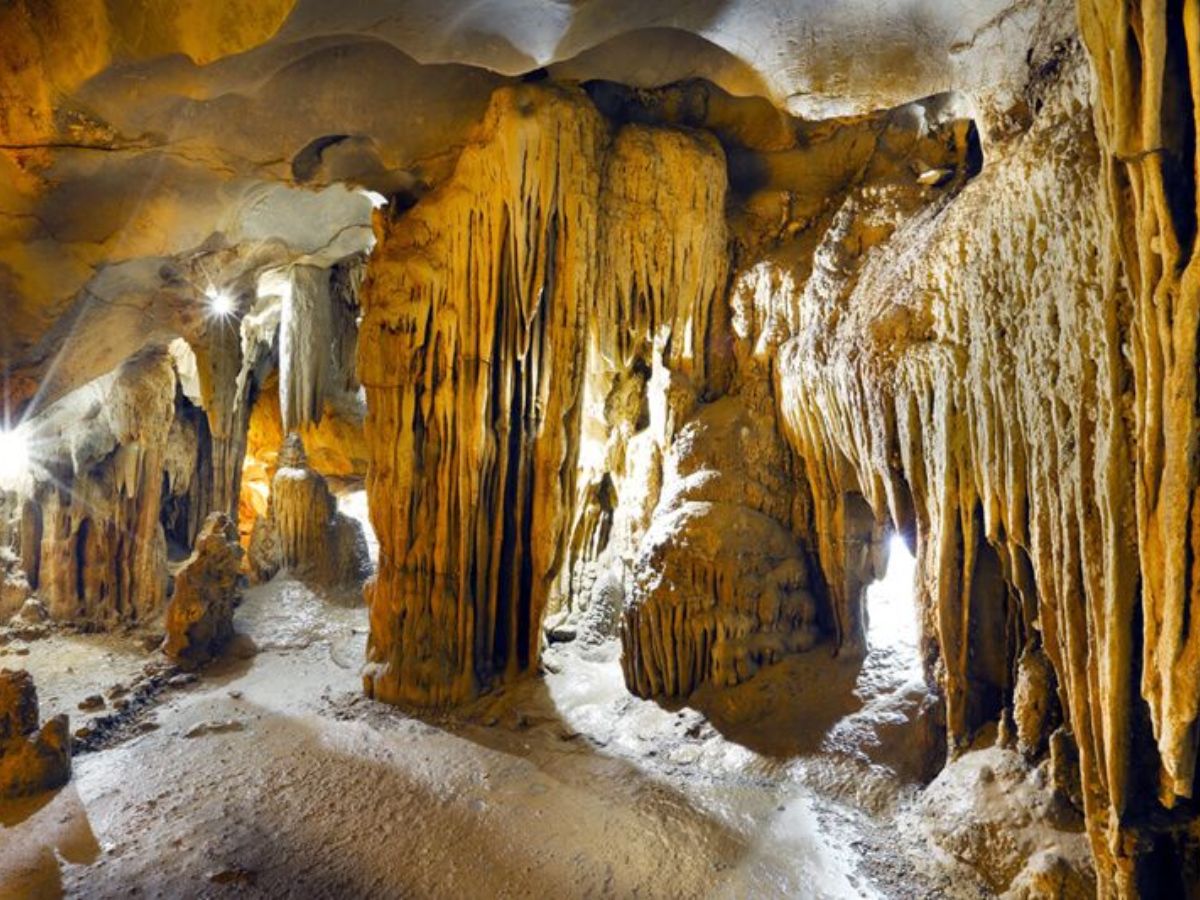
Archaeological caves are caves containing important historical and archaeological value. (Source: Collected)
The third group is archaeological caves. Some caves are not only beautiful but also contain important historical and archaeological value. Me Cung Cave is one of the places where traces of prehistoric humans were once discovered, affirming the role of Ha Long Bay in the development process of ancient residents.
This diversity makes the journey to explore the caves in Ha Long Bay never boring. Each type of cave offers a different experience, suitable for many types of tourists.
2. Top the most beautiful and famous caves in Ha Long Bay
2.1. Sung Sot Cave – the largest and most prominent cave in Ha Long Bay
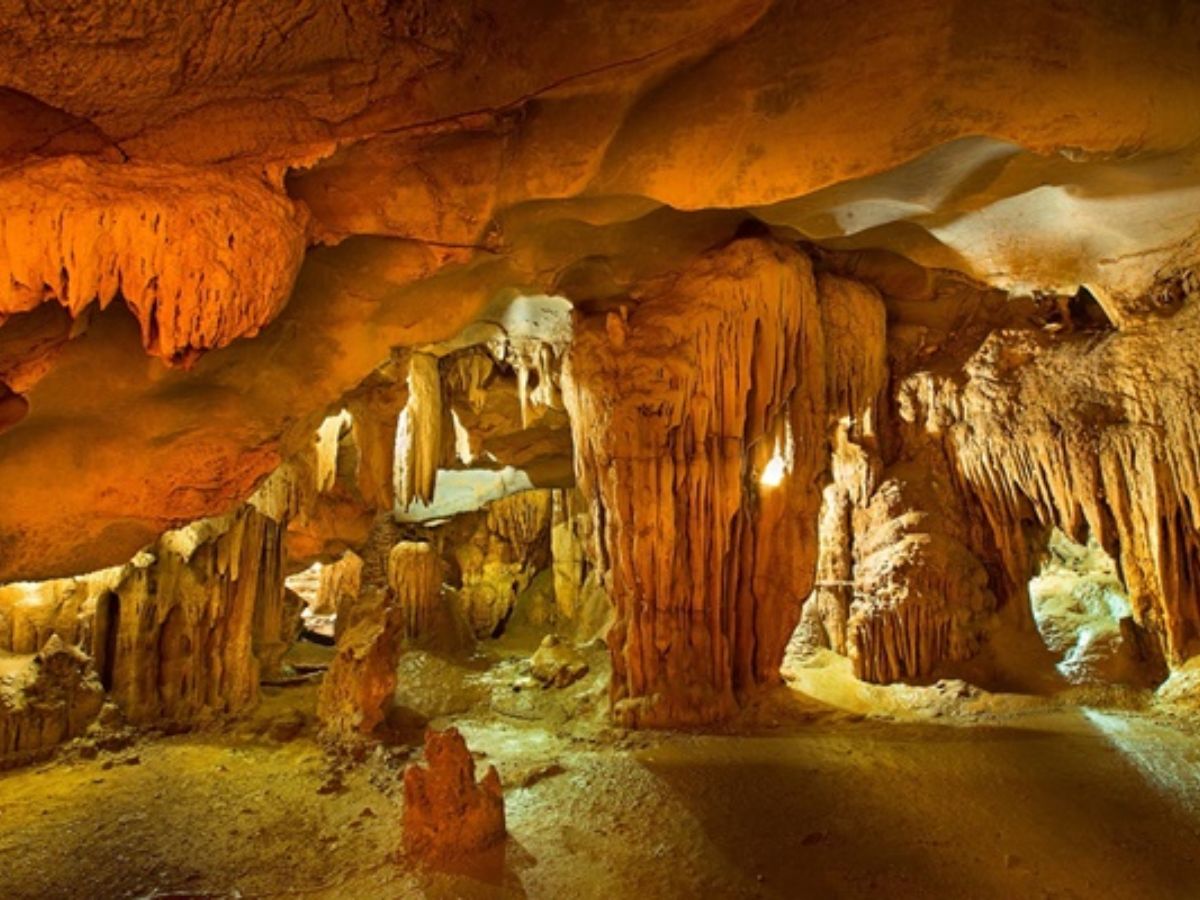
Sung Sot Cave is considered one of the largest and most impressive caves in Ha Long Bay. (Source: Collected)
Located on Bo Hon Island, Sung Sot Cave is considered one of the largest and most impressive caves in Ha Long Bay. True to its name, most visitors entering here cannot help but be "astonished" by the magnificent space that opens up before their eyes.
The cave consists of two main chambers. The first chamber has a high ceiling, vast like a natural theater. Light shines in, highlighting stalactites hanging down like silk curtains. Moving to the second chamber, the space is even larger, with giant stone columns and countless shapes that spark rich imagination.
To enter the cave, visitors must climb a section of stone steps amidst lush green trees. The reward after this short journey is a panoramic view of the bay from above – where the sea, sky, and rocky islands blend into a spectacular painting.
With its large scale and convenient pathways, Sung Sot Cave is particularly suitable for those exploring caves in Ha Long Bay for the first time.
2.2. Thien Cung Cave – A magical palace of stalactites
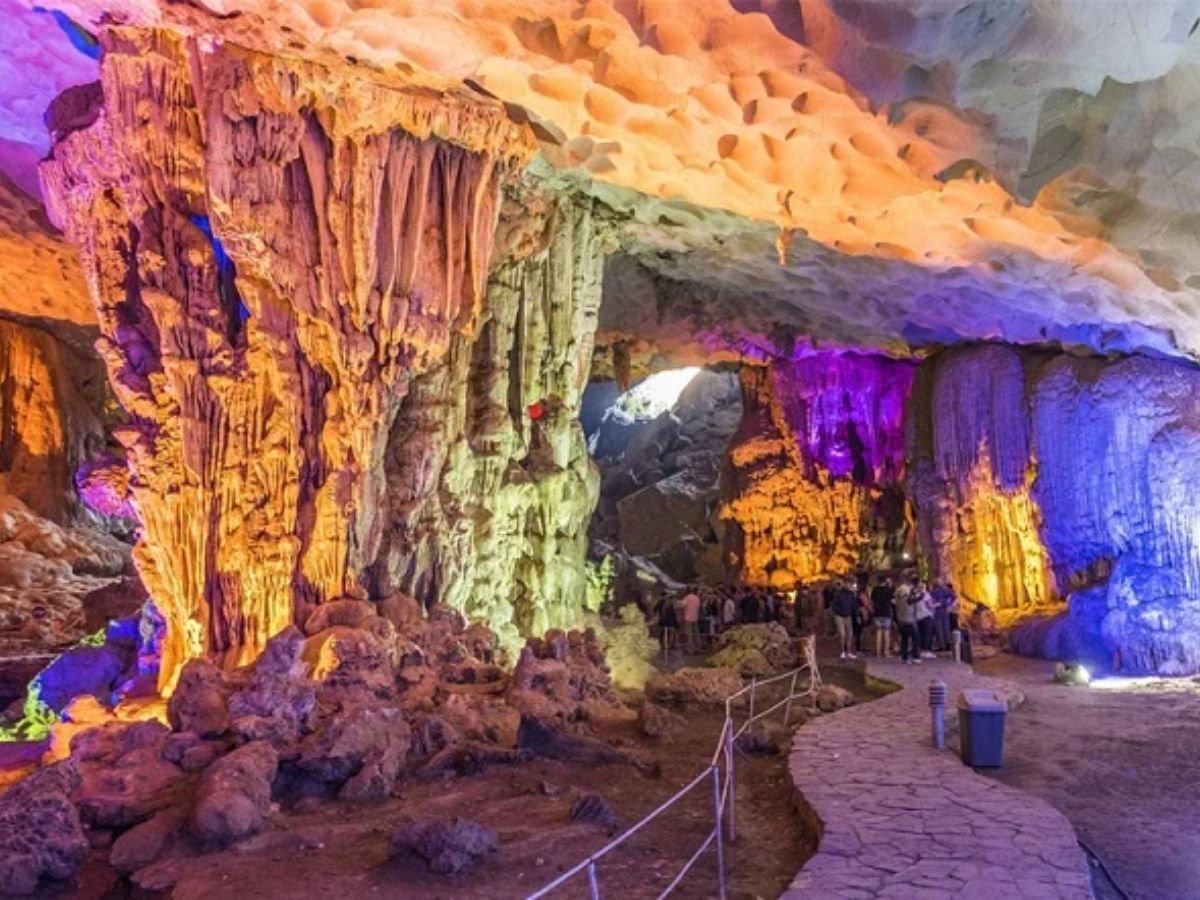
Near Dau Go Island, Thien Cung Cave possesses a splendorous beauty just like its name. (Source: Collected)
Near Dau Go Island, Thien Cung Cave possesses a splendorous beauty just like its name. The interior space is equipped with lighting systems, highlighting each layer of stalactites and stalagmites with shimmering colors, creating a feeling of stepping into an underground palace.
According to local legend, this was once the wedding venue of the Dragon King. The stalactite and stalagmite formations shaped like dragons, phoenixes, elephants, etc., further enhance the mystical story.
Compared to Sung Sot Cave, Thien Cung Cave is smaller in scale but impresses with the sophistication and density of its karst formations. It is one of the prominent stops on the journey to explore the caves in Ha Long Bay.
2.3. Dau Go Cave – Historical Imprint of the Tran Dynasty
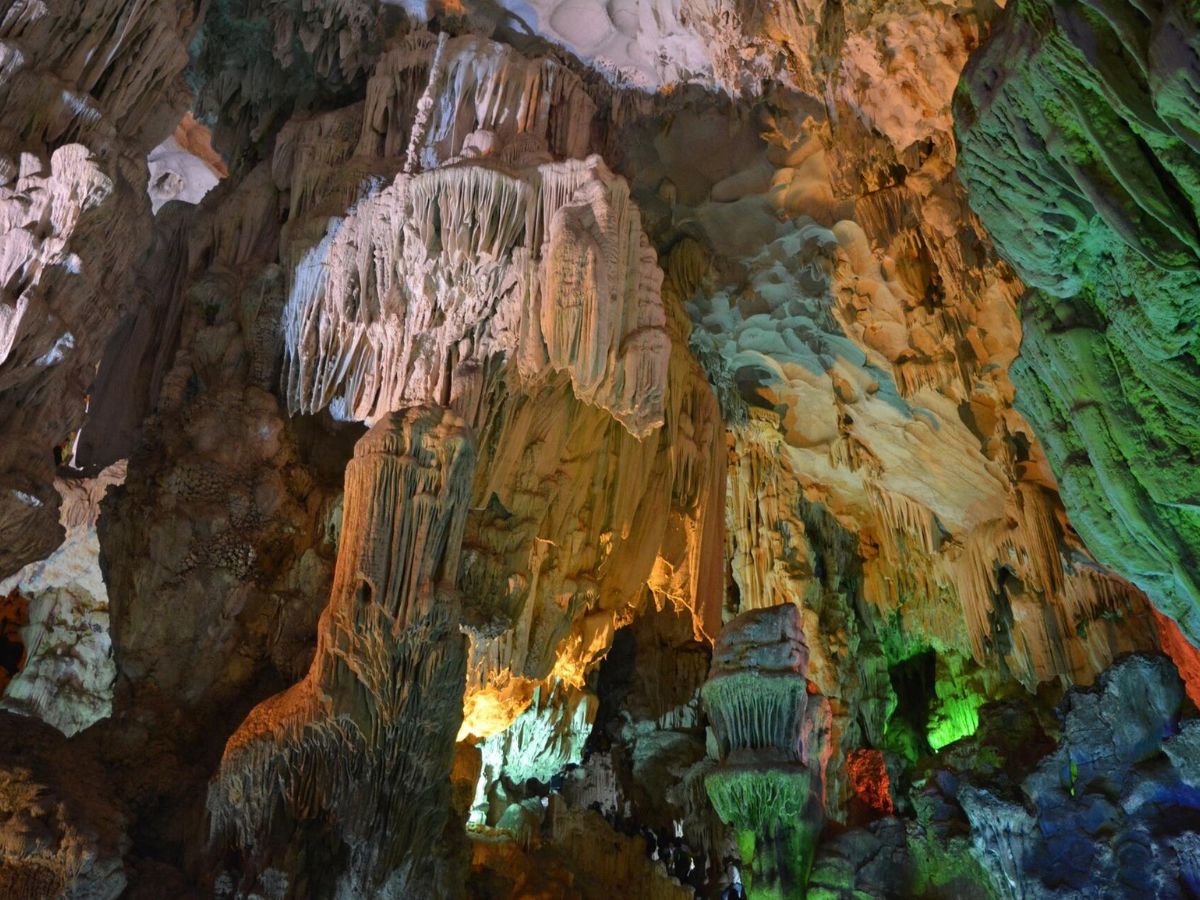
Dau Go Cave is associated with the historical story of the Tran Dynasty's Bach Dang victory. (Source: Collected)
Also located near Thien Cung Cave, Dau Go Cave is associated with the historical story of the Tran Dynasty's Bach Dang victory. Legend has it that this place was once used to store wood for the battle against the Mongol invaders.
The cave has a spacious interior with a high vault, and many areas still retain their wild beauty. Natural light filters through the cave entrance, creating a scene that is both majestic and serene.
The combination of historical value and natural beauty makes Dau Go Cave an interesting stop on the list of caves in Ha Long Bay.
2.4. Luon Cave – Kayaking through the cave experience
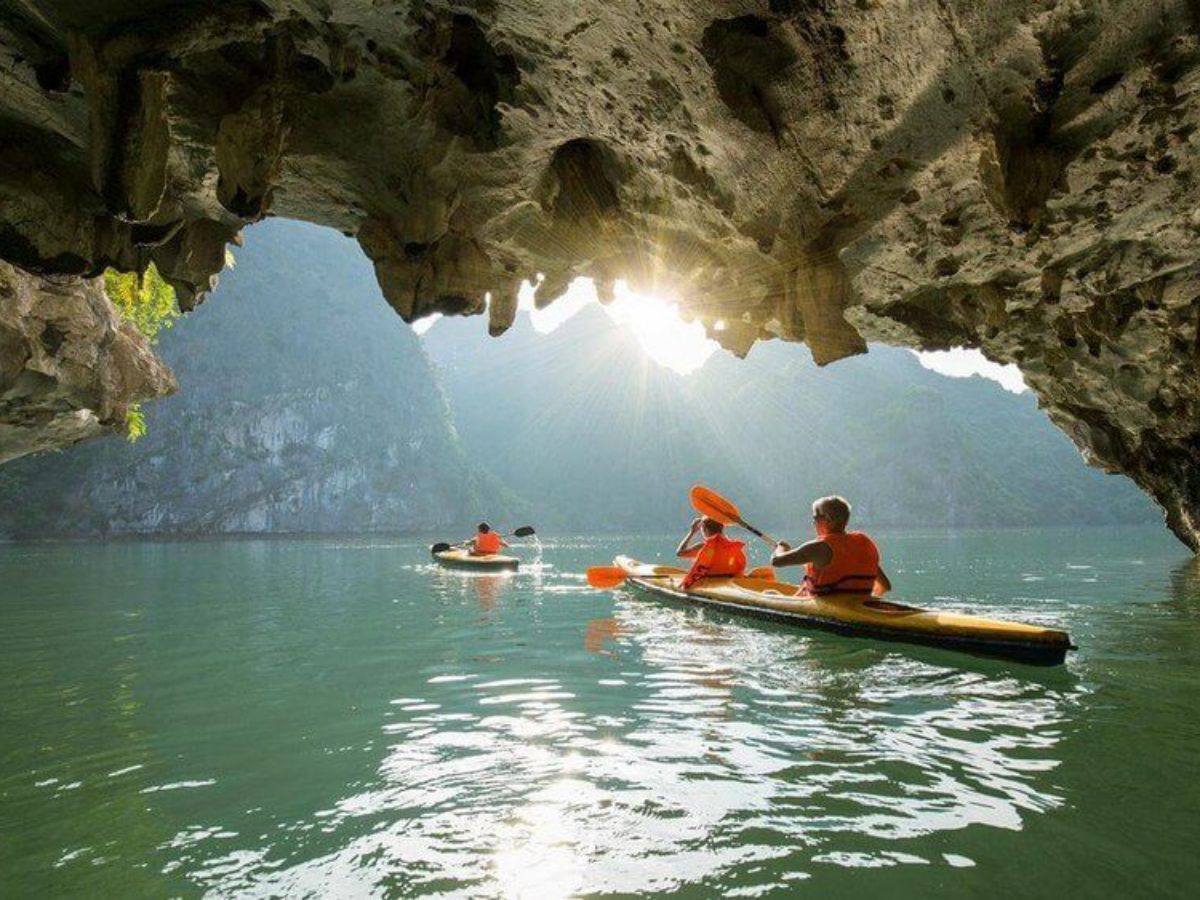
Luon Cave is a water cave with a low and narrow entrance, accessible only by bamboo boat or kayak. (Source: Compilation)
Unlike dry caves that require climbing stone steps, Luon Cave is a distinctive water cave. The entrance is low and narrow, accessible only by bamboo boat or kayak. This is what creates a very unique experience.
As you paddle through the dark entrance, you will be surprised by a circular lake surrounded by sheer cliffs. The interior space is quiet, with jade-green water, and occasionally monkeys can be seen on the cliffs.
For those who love activity and want to explore on their own, Luon Cave is a must-visit option when discovering caves in Ha Long Bay.
2.5. Me Cung Cave – a maze in the heart of the limestone mountains
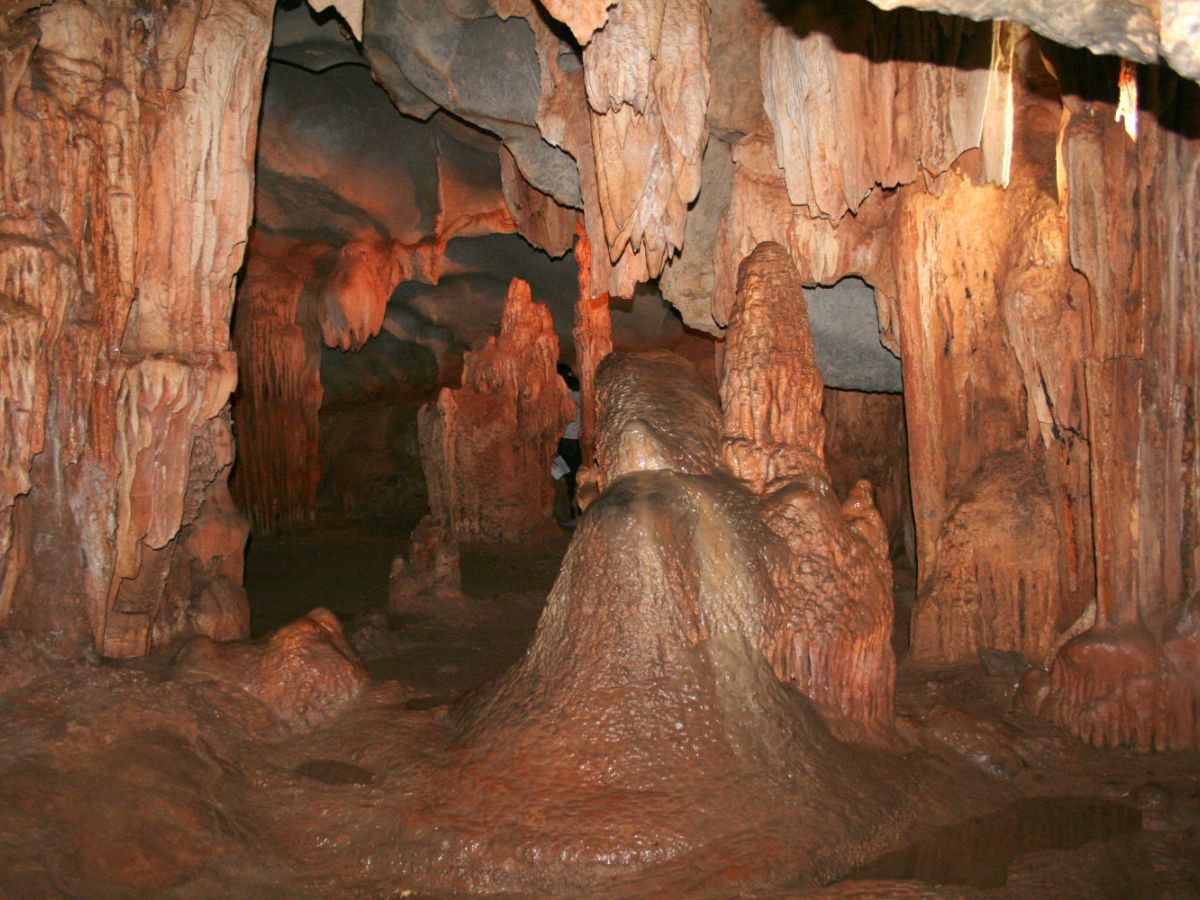
Maze Cave has a complex structure with many winding small passages, true to its name. (Source: Collected)
True to its name, Maze Cave has a complex structure with many winding small passages. The paths inside are winding, creating the feeling of being lost in a real maze.
The special feature of the cave is a small lake located on the mountain, surrounded by cliffs and green trees. Seen from above, the calm lake surface reflects the sky, creating a very different scene compared to other caves in the bay.
Maze Cave is also where traces of prehistoric human habitation were discovered, contributing to affirming the archaeological value of the caves in Ha Long Bay.
3. Experience visiting caves in Ha Long Bay
3.1. Ideal time to explore caves in Ha Long Bay
The period from March to May and from September to November is generally considered the best time to explore Ha Long Bay. During this time, the weather is cool, with little rain, making it convenient for boat travel and climbing stone steps into the caves.
Summer can be crowded, while the storm season (usually from July-August) carries the risk of rough seas, affecting tour schedules. If you want to avoid crowds, you can choose early morning hours – when the tourist groups are not too crowded.
3.2. Which tour routes should be taken to visit many caves?
Currently, the tour routes on the bay are clearly divided. Route 1 usually includes Thien Cung Cave and Dau Go Cave. Route 2 is notable for Sung Sot Cave, Luon Cave, and Titop Island.
Entrance fees are listed according to the regulations of the Ha Long Bay Management Board and may change depending on the time. Visitors should update official information before going to make suitable plans.
Choosing the right route will help you explore many caves in Ha Long Bay in one day while ensuring time for rest.
3.3. Important notes when visiting caves
When visiting caves, wear sports shoes or non-slip shoes as the stone steps can be wet. Do not touch the stalactites as the oil from your hands can affect their natural growth process.
Most importantly, comply with heritage preservation regulations, do not litter, and do not damage the landscape. Preserving the caves in Ha Long Bay is not only the responsibility of the management but also of every tourist.
4. Suggestions for combining activities when exploring caves in Ha Long Bay
4.1. Experience Sun World Ha Long after exploring the caves
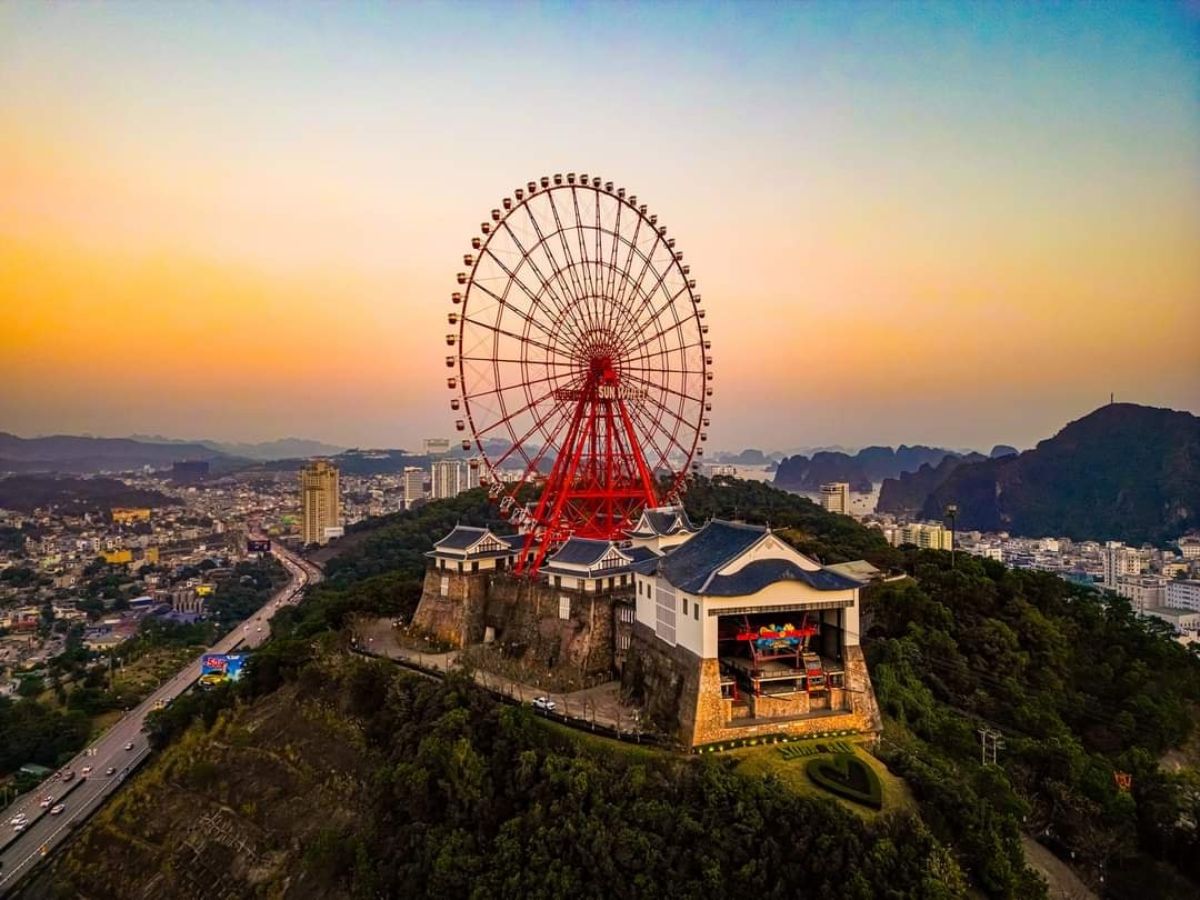
Sun World Ha Long includes Dragon Park, the Queen Cable Car crossing the sea, and the Sun Wheel for a panoramic view. (Source: Collected)
After a morning of cave exploration, you can continue your journey in the afternoon at Sun World Ha Long. This amusement area includes Dragon Park with many thrilling games, the Queen Cable Car system crossing the sea, and the Sun Wheel for a panoramic view of the city.
The afternoon – evening is the ideal time to have fun here, when the weather is cool and the city lights up.
4.2. A Full Day Itinerary to Explore the Caves in Ha Long Bay
A full day in Ha Long can start by boarding a boat early in the morning, visiting prominent caves according to the chosen route. At noon, you can enjoy seafood in the Bai Chay area.
In the afternoon, continue the fun at Sun World Ha Long, watching the sunset from the cable car or the wheel. In the evening, stroll along the beach, visit the night market, and enjoy the bustling yet pleasant atmosphere of the coastal city.
Exploring the caves in Ha Long Bay is not just a simple tour, but a journey into a geological world millions of years old amidst a heritage site. From magnificent dry caves with soaring ceilings and sparkling stalactites to serene water caves navigable only by kayak, each stop offers a unique experience. It is this diversity, pristine nature, and special natural value that make the caves in Ha Long Bay the "soul" of this seascape. If you have the chance to visit Ha Long, don't just admire the scenery from afar; take the time to explore deep inside these limestone mountains – to fully appreciate the magical beauty that nature has so generously bestowed upon this bay.