
















1. Introduction to the famous islets in Ha Long Bay
1.1. Ha Long Bay – World Natural Heritage
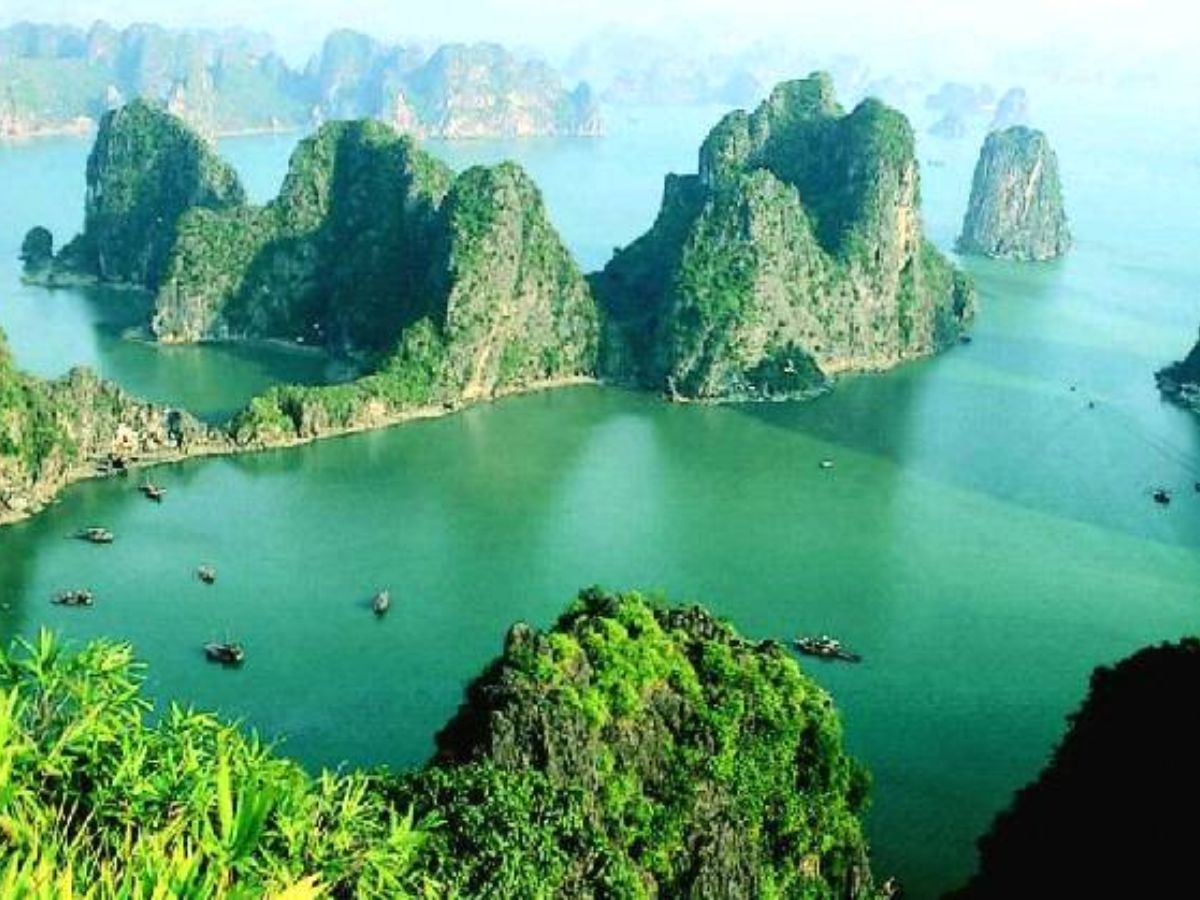
Ha Long Bay is located in Quang Ninh province in the Northeastern region of Vietnam. (Source: Collected)
Ha Long Bay is located in Quang Ninh province, in the Northeastern region of Vietnam. With a core area of over 1,500 km² and nearly 2,000 large and small limestone islands (according to the announcement by the Ha Long Bay Management Board and UNESCO), it is considered a rare outdoor geological museum in the world.
In 1994, Ha Long Bay was recognized by UNESCO as a World Natural Heritage site for its aesthetic values. In 2000, this heritage was honored for the second time for its geological and geomorphological values. These two recognitions are not only a source of pride for Quang Ninh but also make the image of Ha Long a national tourism icon.
In that overall picture, the famous islets in Ha Long Bay are special "visual highlights". Amidst countless rocky islands, some islets can be recognized at a glance due to their extremely unique and evocative shapes.
1.2. Why do famous islets in Ha Long Bay attract tourists?
The first thing that makes the famous islets in Ha Long Bay leave a strong impression is their natural shapes. Over millions of years of geological formation, sea waves and wind have eroded and carved the limestone blocks into various shapes: a pair of intertwined birds, a solemn incense burner in the middle of the sea, a loyal dog facing the sea, or a frog as if meditating between sky and water.
Another factor is legend. The coastal people have long associated these islands with folk tales, symbols of love, loyalty, steadfastness, or the sacredness of heaven and earth. It is this fusion of nature and culture that makes the sightseeing journey not just about admiring the scenery, but also about listening to the hidden meanings behind each rock formation.
We cannot forget that many islets appear frequently in postcards, logos, promotional materials, and even on stamps and commemorative coins. The famous islets in Ha Long Bay have thus become the "representative faces" of the entire heritage area.
2. Top famous islets in Ha Long Bay not to be missed
2.1. Fighting Cocks Islet – The symbol of Ha Long tourism
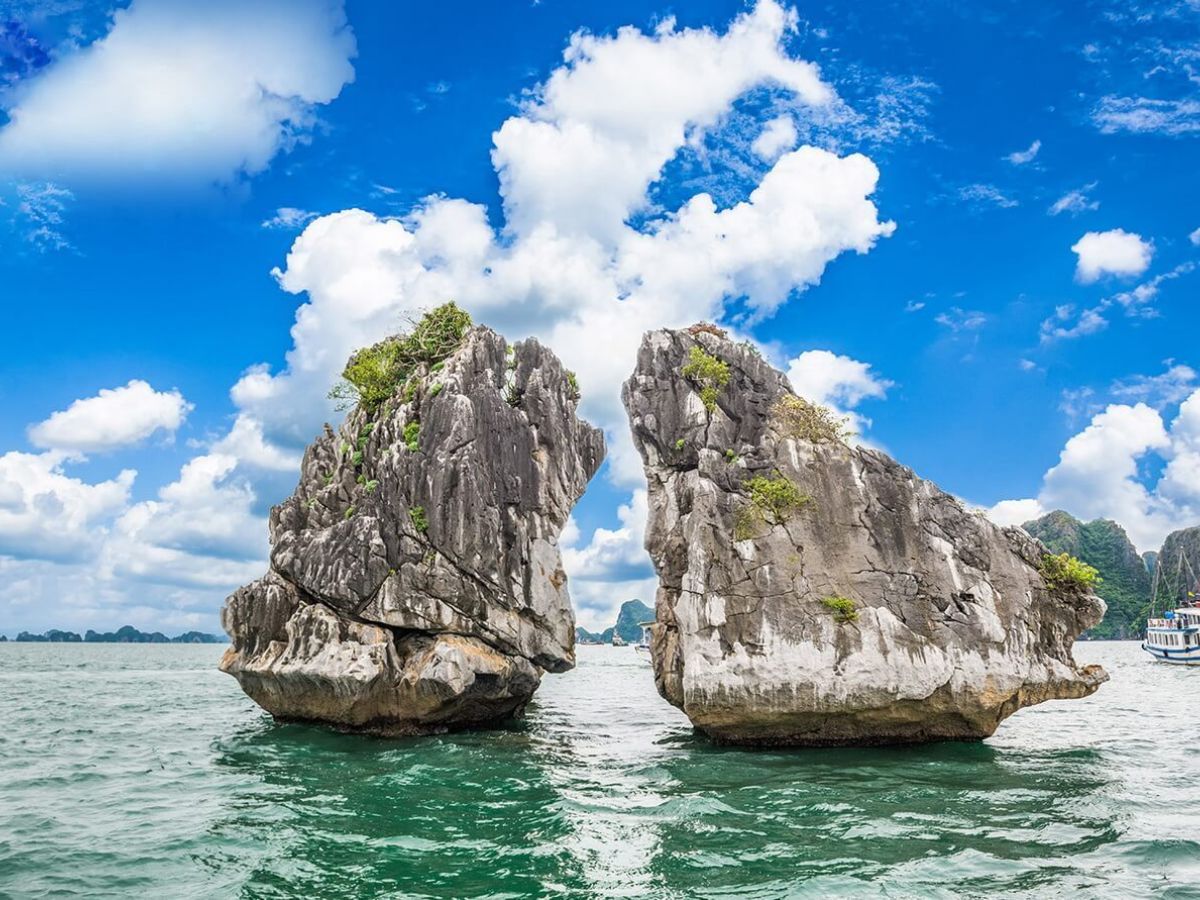
Fighting Cocks Islet is considered the most prominent symbol among the famous rocks of the bay. (Source: Compilation)
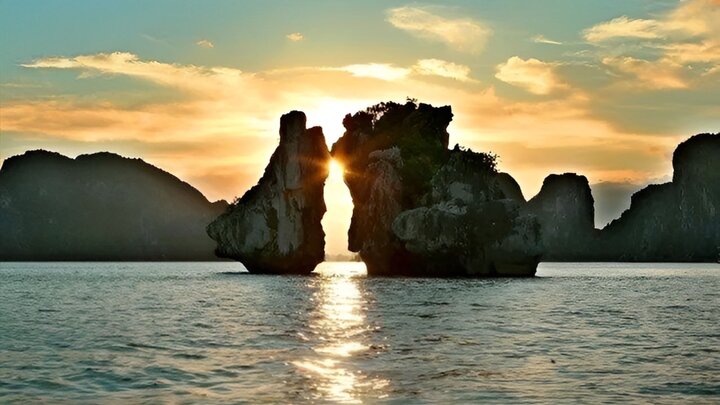
Fighting Cocks Islet is considered the most prominent symbol in the list of famous islets in Ha Long Bay. The islet is located in the southwestern area of the bay, on tour route number 1, about 5 km from the tourist wharf.
Seen from afar, two rock formations about 12 meters high stand facing each other on the water, their peaks jutting out like two chickens bowing their heads. What's special is that the base of the rocks is quite small compared to the upper body, creating a precarious yet stable feeling through storms and waves.
Locals call this a symbol of love and fidelity. The two "chickens" in the vast sea, despite storms, still face each other like a lasting promise. Therefore, many couples visiting Ha Long want to take photos with Fighting Cocks Islet as a way to send good wishes for their relationship.
Practical experience shows that the best angle for photos is when the boat moves slowly around the islet. If you take a cruise in the afternoon, you can capture the moment the sun sets behind the two rock formations, creating an incredibly impressive silhouette.
2.2. Dinh Huong Islet – The Sacred Incense Burner Islet
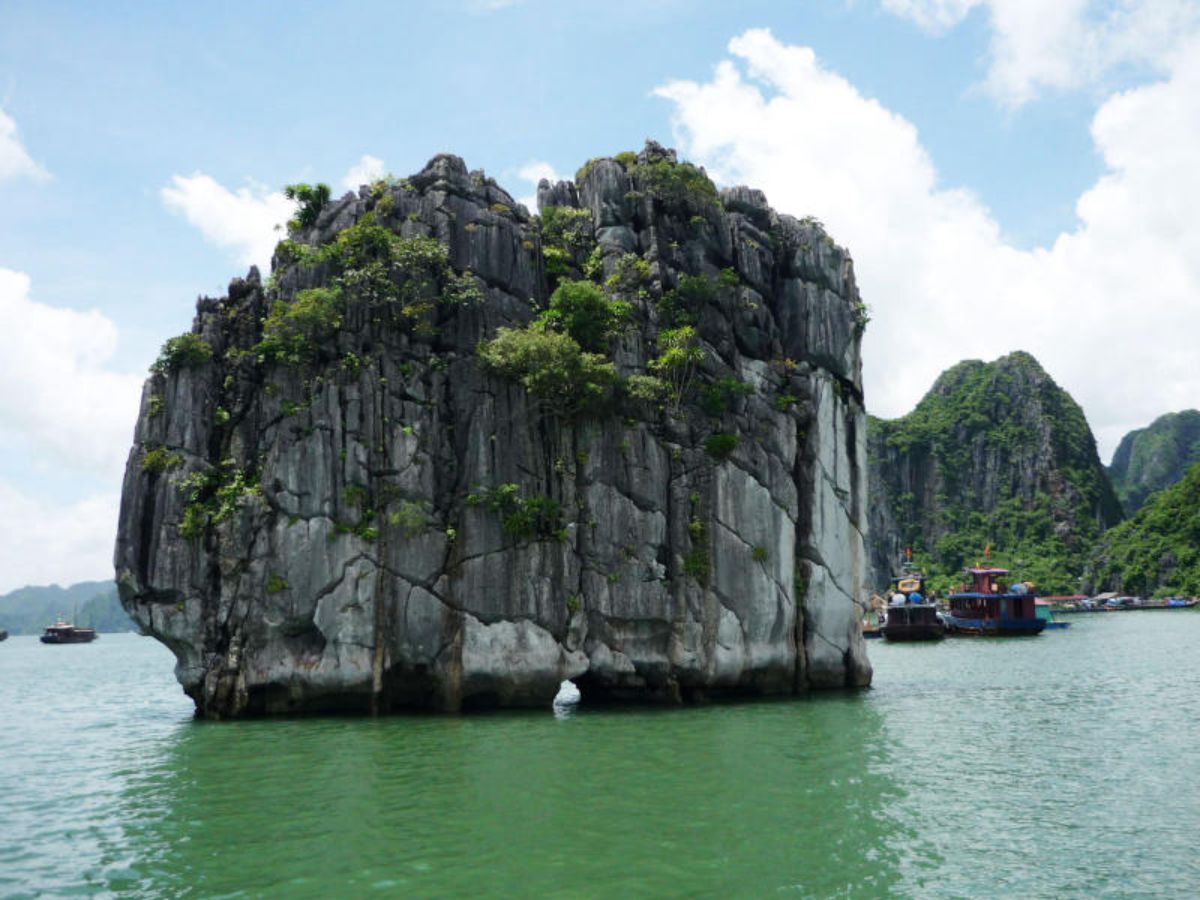
Hon Dinh Huong, also called Hon Lu Huong, is located near Hon Cho Da on the popular tour route. (Source: Collected)
Hon Dinh Huong is also called Hon Lu Huong, located near Hon Cho Da and also part of the most popular tour route on the bay.
Seen from afar, the rock has a slender body, with the top fanning out like a giant incense burner placed in the middle of the sea. This shape makes people associate it with sacredness, like an incense offering from heaven and earth to ancestors.
In many media publications, Hon Dinh Huong appears as a spiritual symbol of Ha Long. Tourists often have the habit of clasping their hands to pray for luck when the boat passes this rock, as a way of sending good wishes for a safe journey.
As it is located on Route 1, most 4-hour tours pass by. You should have your camera ready as the boat only stops for a short time for guests to take photos.
2.3. Hon Cho Da – The image of a dog guarding the sea
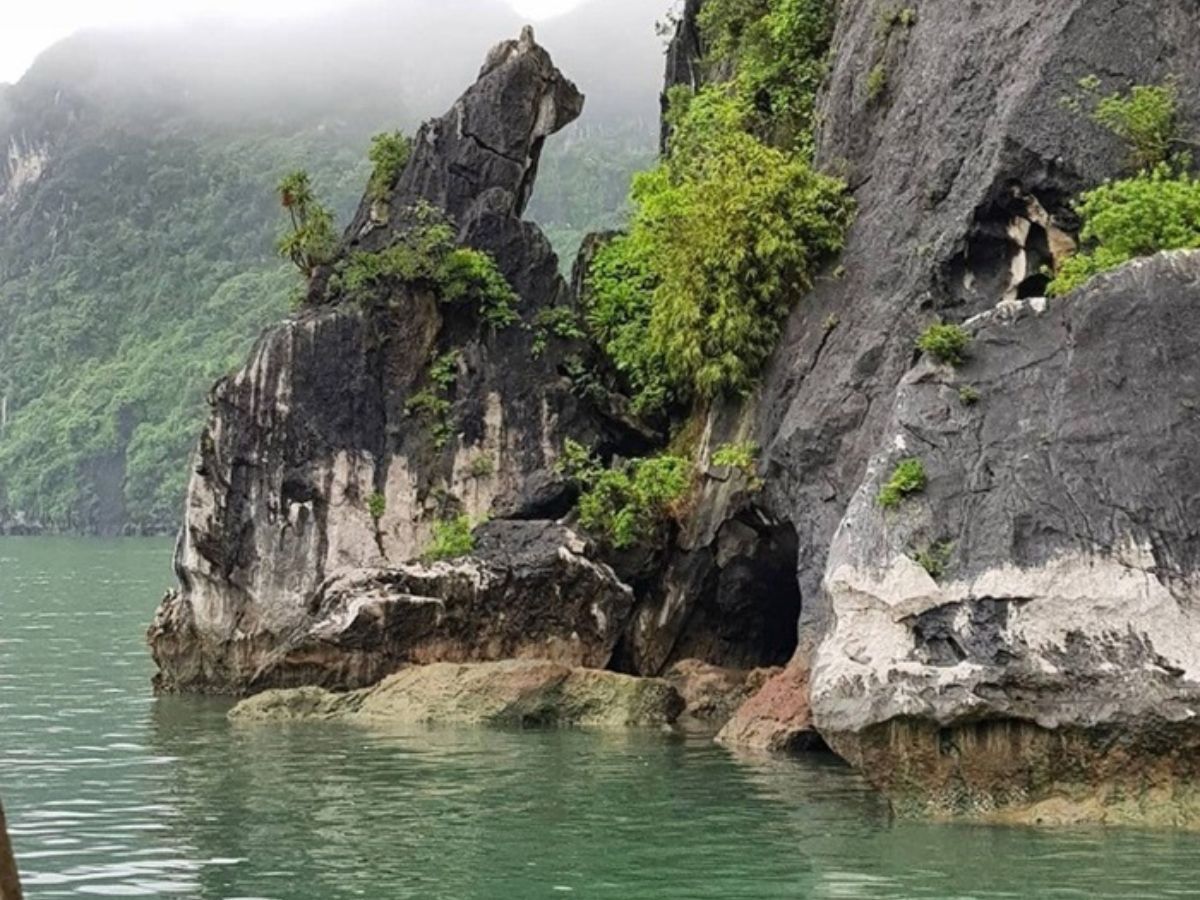
Hon Cho Da (Stone Dog Rock) is located near Tuan Chau Port and is often the first point visitors see when starting their journey. (Source: Collected)
Hon Cho Da is located near the Tuan Chau Port area, so it is often one of the first islets visitors see when starting their journey.
The rock is shaped like a sitting dog, with its head facing the sea as if guarding the ocean and sky. That contemplative posture creates a very special feeling, especially when the waves gently lap around the base of the rock.
Legend has it that the dog symbolizes the loyalty and protection of the gods for the fishermen of the sea. Although the story is just folklore, that image still makes many people feel warm and close.
When the boat passes slowly through this area, you can stand on the right side to capture the image of the rock with the vast sky behind it.
2.4. Hon Ga Choi (Fighting Cock Islet) – A Unique Natural Masterpiece
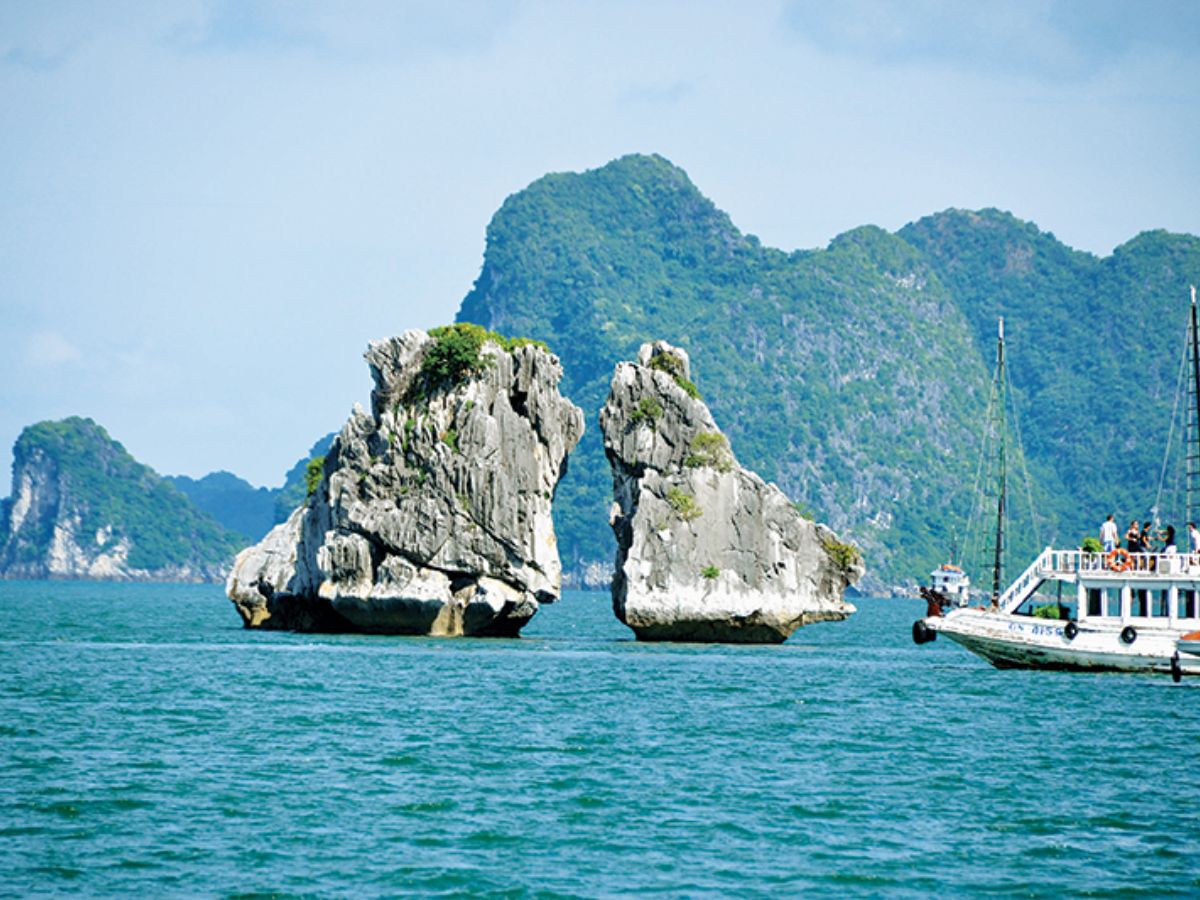
The two rock formations of Hon Ga Choi stand close together, creating the impression of two roosters competing. (Source: Collected)
Hon Ga Choi is often mistaken for Hon Trong Mai due to their similar shapes. However, if you observe closely, you will see that the two rock formations of Hon Ga Choi have different postures and are closer together, creating the impression of two roosters "competing".
Hon Ga Choi appears frequently on postcards and promotional materials for Vietnam tourism. It is also one of the images that international tourists remember most when mentioning Ha Long.
Sightseeing tips suggest taking photos from an angled view to clearly see the two separate rock formations on the water. If you have a drone (on a licensed professional tour), you will see the entire island standing out amidst the jade-green waters.
2.5. Hon Con Coc – The "Meditating Toad" in the Sea
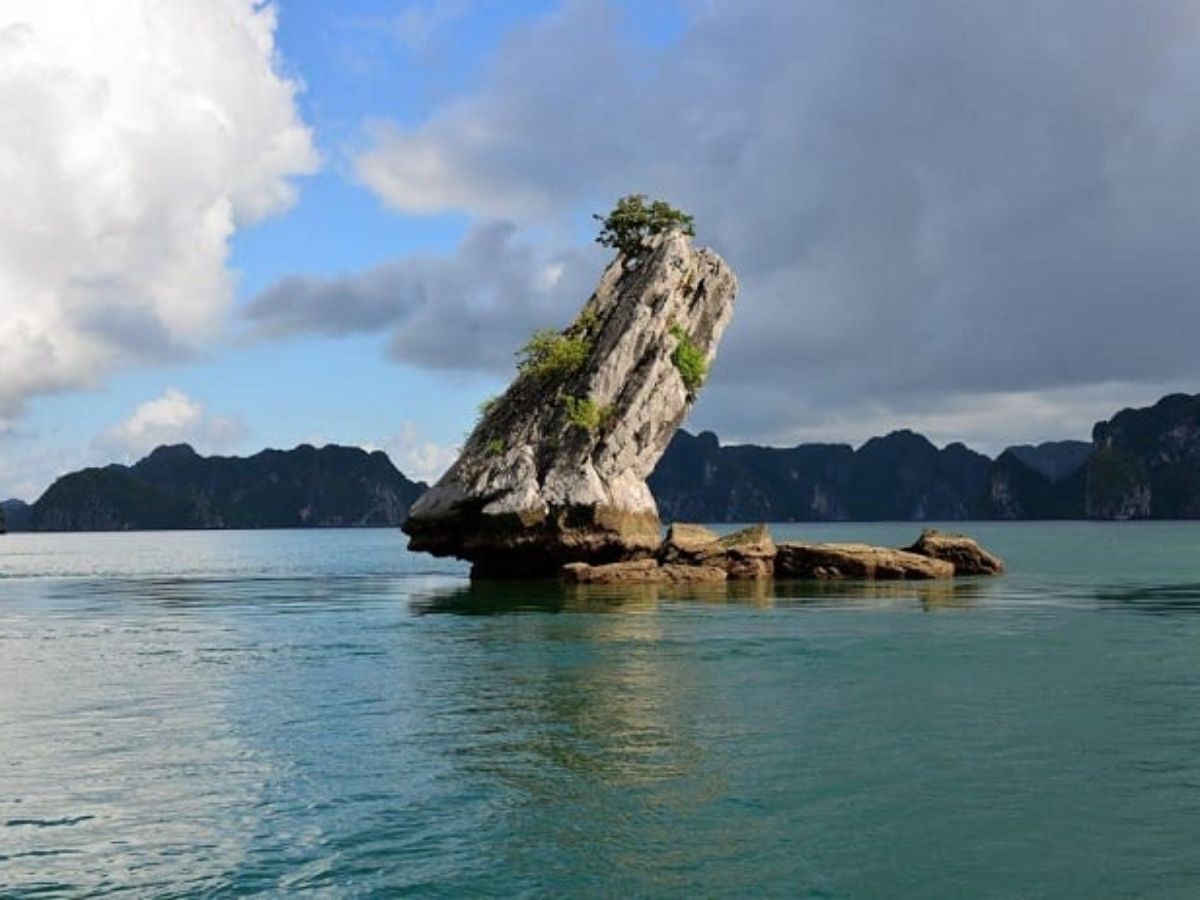
The Toad Rock (Hon Con Coc) is intriguing with its shape like a toad crouching by the water. (Source: Collected)
The Toad Rock (Hon Con Coc) is one of the rocks that sparks curiosity due to its peculiar shape. Seen from afar, the rock looks like a crouching toad, its head slightly bowed towards the water.
Folk belief often associates it with the image of a 'meditating toad', symbolizing steadfastness and patience in the face of storms. Although not very large, the Toad Rock (Hon Con Coc) is still sought after by many tourists to complete their 'collection' of check-ins at famous rocks in Ha Long Bay.
The boat usually passes by quite quickly, so you should have your camera ready and stand in a clear spot to avoid obstructed views.
3. How to Visit Famous Rocks in Ha Long Bay
To fully explore the famous rocks in Ha Long Bay, you can choose various forms of travel depending on your time and budget.
The Ha Long Bay Management Board currently organizes main tour routes, the most popular being Route 1 (about 4 hours), passing by Dog Stone (Hon Cho Da), Incense Burner Rock (Hon Dinh Huong), Fighting Cocks Islets (Hon Ga Choi), combined with cave visits. Routes 2 and 3 are usually longer, with added activities like kayaking or visiting fishing villages.
Entrance ticket costs vary depending on the route and type of boat. If you only have half a day, a 4 or 6-hour tour is a reasonable choice. However, to truly feel the beauty of the bay, many recommend choosing a 2-day, 1-night itinerary sleeping on a cruise ship.
Sleeping amidst the tranquil space of the heritage site, waking up early to watch the sunrise over the water, is an experience that makes the trip much more memorable.
Besides the bay cruise, you can combine it with entertainment at Sun World Ha Long. This entertainment complex features the Queen Cable Car crossing the sea, the Sun Wheel on Ba Deo peak, and various theme parks. After a day of visiting the islands, stopping by Sun World adds more excitement to the journey.
4. Best Time to Explore Famous Rocks in Ha Long Bay
The period from March to May and from September to November is considered the most ideal. During this time, the sea is calm, the sky is clear, and the sun is moderate, making it perfect for photographing the famous rocks in Ha Long Bay with their characteristic jade-green water.
July and August often have storms and rain, so tours may be canceled or itineraries changed. Therefore, you should monitor the weather forecast before your trip.
During the day, dawn and dusk are the two most beautiful moments. If you sleep overnight on the cruise, you can catch the first sunlight shining on the Fighting Cocks Islets (Hon Trong Mai), creating a scene that is both majestic and romantic. In the afternoon, as the sun softens, the water reflects pinkish-orange hues, making the islands stand out more than ever.
5. Tips for Visiting Famous Rocks in Ha Long Bay
For a complete trip, you should choose a boat that meets safety standards and has a clear operating license. Don't forget to check the weather and follow the crew's instructions when moving on deck.
Clothing should be light and comfortable, prioritizing breathable materials. Sunglasses, a wide-brimmed hat, and sunscreen are essential items. If you want to take great photos, ensure your phone or camera has enough battery and storage.
A 2-day, 1-night itinerary could start with Route 1 to visit the famous rocks in Ha Long Bay combined with afternoon kayaking. The next day, you can visit caves and return to the mainland, spending time exploring Sun World or strolling along Bai Chay Beach before concluding the trip.
Amidst the vast sea and sky, the famous rocks in Ha Long Bay are not just inanimate stones but also cultural symbols and geological imprints of millions of years. Each time the boat glides past, each captured frame, is a moment you get closer to the pristine beauty of the heritage site. And perhaps, it is these moments that will make you want to return to Ha Long many more times.