















1. General Introduction to An Sinh Temple
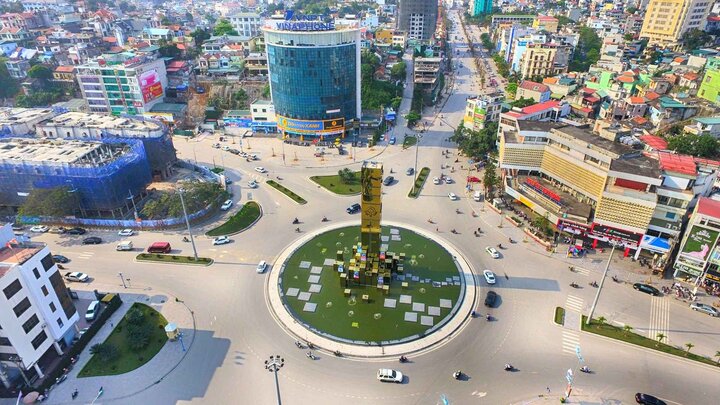
An Sinh Temple is one of the typical spiritual destinations of the Dong Trieu region, located in An Sinh ward, Dong Trieu town, Quang Ninh province. From Hanoi, visitors can travel about 110 km to reach the temple, while the distances from Ha Long and Uong Bi are approximately 60 km and 30 km respectively, convenient for combined sightseeing tours.
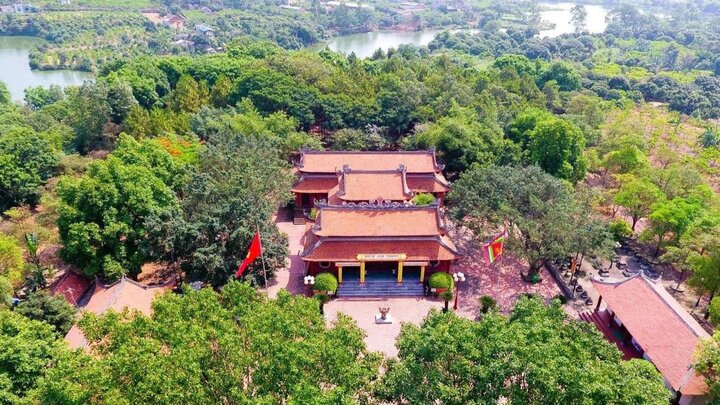
The temple space is located amidst gentle rolling hills, separate from crowded residential areas, creating a solemn and sacred atmosphere. With its role as the center of worship for the Tran kings, An Sinh Temple contributes to shaping the cultural and spiritual identity of Dong Trieu, and is also a meaningful stop for those who want to learn about the history and origins of the land associated with the Tran dynasty.
An Sinh Temple is a typical spiritual site of the Dong Trieu area. (Source: Collected)
2. History of Formation and Value of An Sinh Temple
2.1. Origin of An Sinh Temple's Formation
According to historical records, An Sinh Temple was formed in the 14th century, associated with the An Sinh land where An Sinh Vuong Tran Lieu built his residence, temples, and shrines. Under the Trieu Tran, Dong Trieu was chosen as Am Trach, the burial place for the kings of the dynasty, starting with vua Tran Anh Tong.
In 1381, amidst concerns about disturbances from Chiem Thanh, the court ordered the relocation of some tombs from Thai Binh to the An Sinh region. The choice of this area not only had geographical and military significance but also demonstrated the nha Tran's respect for its ancestral land, laying the foundation for the historical role of An Sinh Temple within the cultural space of Dai Viet.
2.2. An Sinh Temple within the nha Tran Historical Site Complex in Dong Trieu
Within the nha Tran historical site complex in Dong Trieu, An Sinh Temple holds a central position in terms of belief, connecting the mausoleums and relics related to the Trieu Tran. From here, a continuous historical and spiritual space was formed, the resting place of eight vua Tran, reflecting the glorious development period of the dynasty that thrice defeated the Nguyen Mong forces.
Not only a place of worship, An Sinh Temple also serves as a spiritual gathering point, helping visitors and locals better understand the choice of Dong Trieu as the burial land of the powerful dynasty. The presence of the temple contributes to highlighting the overall value of the nha Tran historical site complex in Quang Ninh.
An Sinh Temple holds a central position in terms of belief, connecting the mausoleums and relics related to the Tran Dynasty. (Source: Collection)
3. Architecture and Spiritual Space of An Sinh Temple
3.1. Overall Architecture of An Sinh Temple
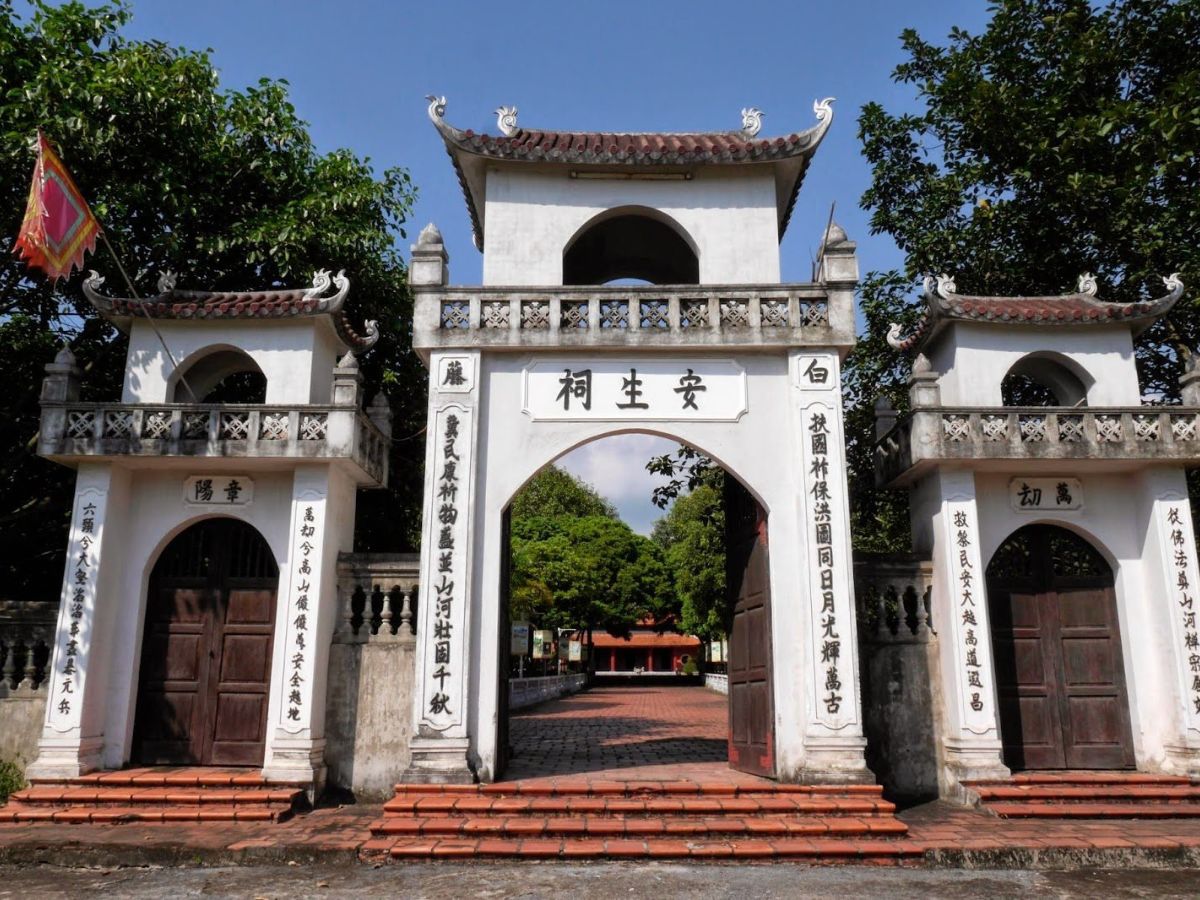
An Sinh Temple is built in the traditional Vietnamese 'chu cong' architectural style, comprising main sections such as the gate, temple yard, front hall, middle hall, and rear sanctuary, creating a balanced and solemn layout. A special highlight is the temple yard planted with eight cycad trees, symbolizing the eight Tran kings who are worshipped.
The current structure was restored and rebuilt during the period 1997–2000 on the foundation of the old relic site, ensuring harmony between historical elements and the natural landscape. The temple space is situated amidst gentle rolling hills, a landscape of "mountains and water gathering," creating a sense of closeness to nature while maintaining the tranquility necessary for a spiritual center.
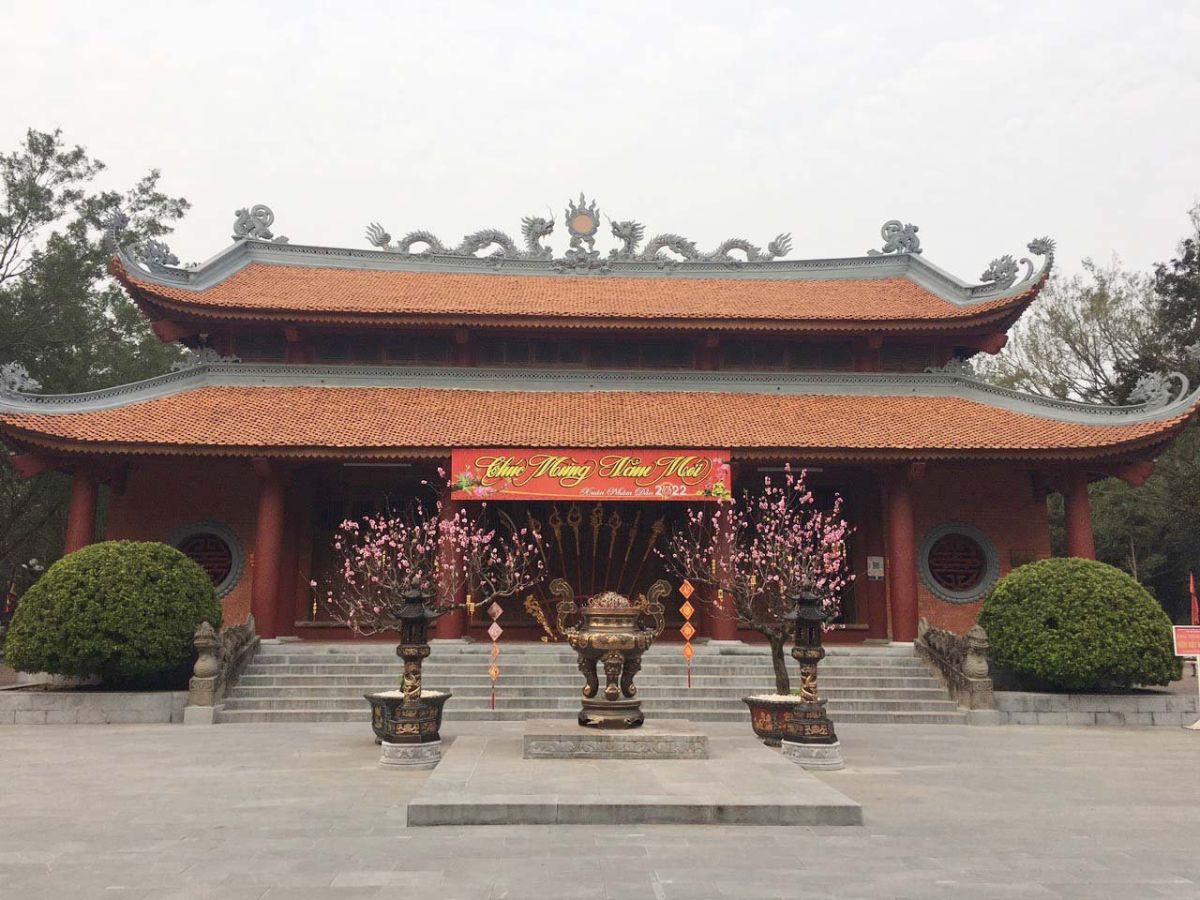
Architecture of An Sinh Temple through many restorations. (Source: Collected)
3.2. Worship space and sacred elements
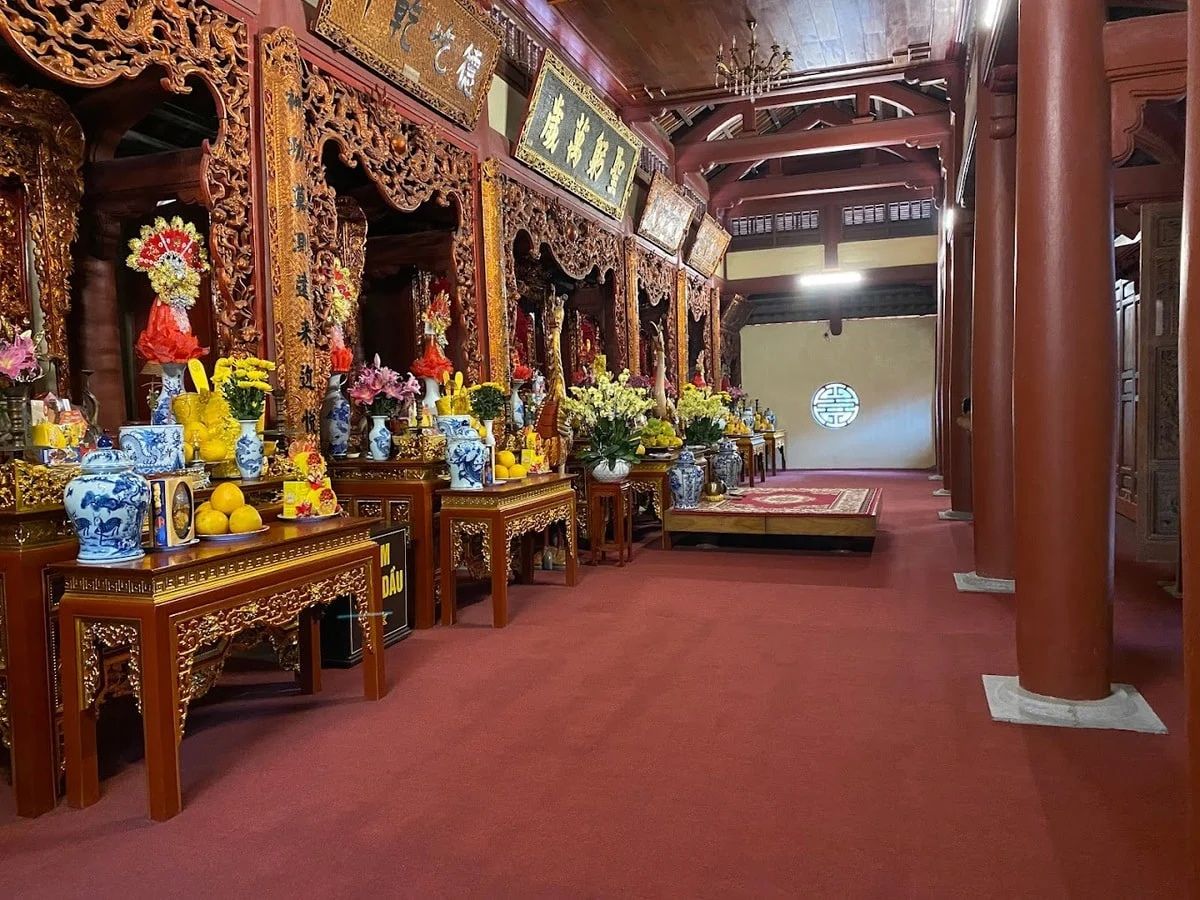
Inside An Sinh Temple, the worship space is arranged solemnly, with the main altar dedicated to the eight Tran kings, showing gratitude to the wise rulers who greatly contributed to building and defending the country. The solemn incense smoke, soft light, and the tranquility of the architecture create a sacred atmosphere, helping worshippers find peace when paying homage.
This space not only holds religious significance but also evokes the spirit of self-reliance and the will to protect the nation of the Tran dynasty. When stopping here, many visitors clearly feel the connection to historical roots and the enduring spiritual values of the nation.
4. Spiritual experience at An Sinh Temple
4.1. What to pray for at An Sinh Temple?
When visiting An Sinh Temple, people and visitors often offer incense praying for peace, health, and family harmony. Additionally, many come here to pray for success in career, studies, and examinations, placing their faith in the spiritual energy of the wise kings of the Tran dynasty. The pilgrimage is not only for personal prayers but also an act of gratitude to the ancestors who defeated the Mongol invaders three times, protecting the independence of Dai Viet. Thus, the spiritual experience at An Sinh Temple also contributes to educating gratitude for history and awareness of national origins.
4.2. Rituals and notes when visiting An Sinh Temple
When visiting An Sinh Temple, visitors usually prepare simple offerings such as incense, flowers, fruits, or sticky rice and sweet soup, showing sincerity rather than formality. The common ritual begins with adjusting attire, washing hands thoroughly, then offering incense sequentially from the temple yard, the front hall to the inner sanctuary.
During the prayer, maintain a solemn attitude, speak softly, and avoid crowding. Attire should be modest and respectful; limit the use of cameras with flash in the worship areas. These notes help ensure the sanctity of the spiritual space and provide a complete pilgrimage experience, in line with the temple's values.
5. An Sinh Temple Festival and related cultural activities
The An Sinh Temple Festival is usually held annually from the 8th to the 10th day of the first lunar month, an occasion to commemorate the Tran kings and honor the dynasty's contributions to the nation. This is a major festival in the Dong Trieu region, attracting many local people and visitors from all over to offer incense and pray for peace in the solemn atmosphere of the New Year. Beyond its religious significance, the festival also contributes to community bonding, preserving, and spreading the tradition of ancestor worship and remembering one's roots, closely associated with the history of the Tran dynasty.
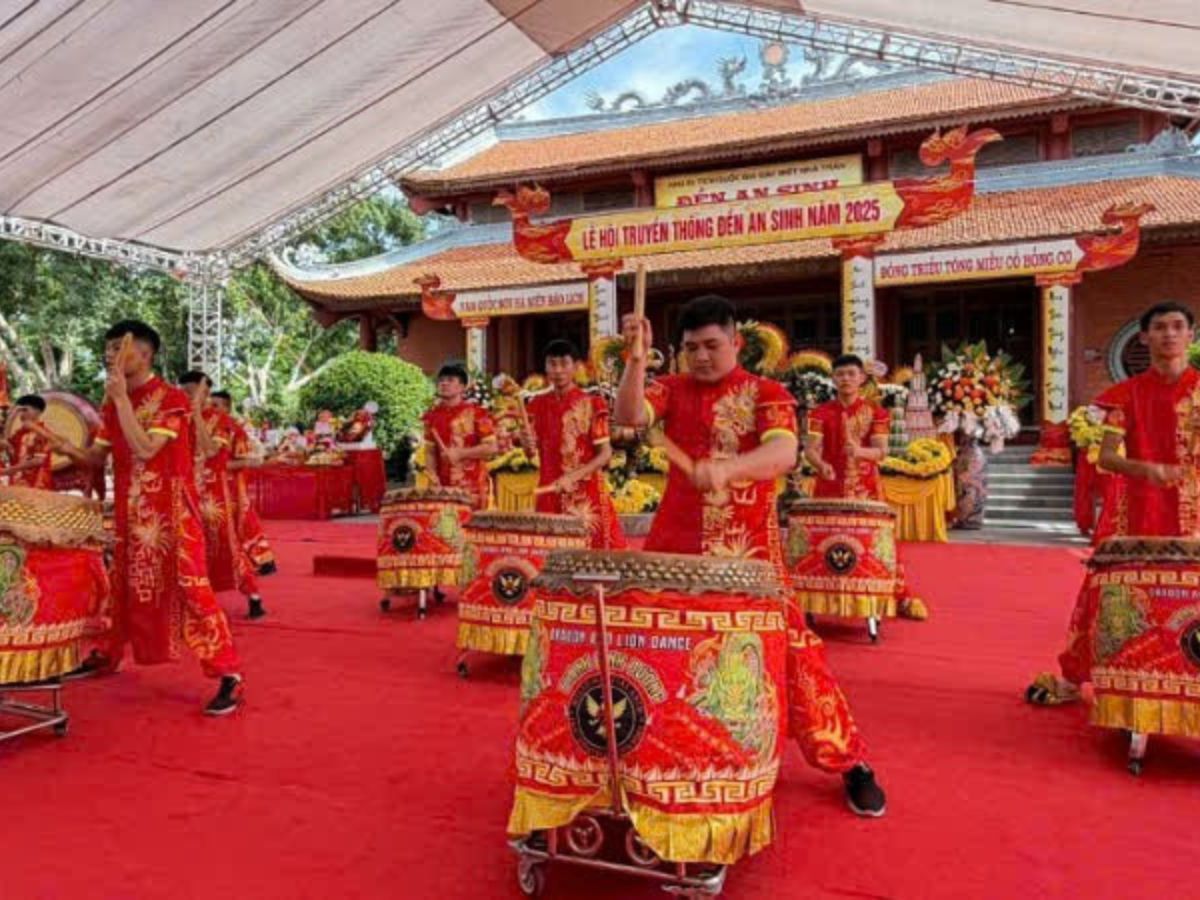
The An Sinh Temple Festival is held annually from the 8th to the 10th day of the first lunar month. (Source: Collected)
Within the framework of the festival, traditional rituals such as offering incense and worshipping to commemorate the Tran kings are solemnly held according to ancient customs. Alongside these are cultural and historical activities that recreate the past, helping attendees better understand the context and value of the Tran dynasty in the flow of national history.
6. Directions to An Sinh Temple
6.1. Traveling from Hanoi to An Sinh Temple
From Hanoi, visitors travel about 100 km to reach An Sinh Temple, taking an average of 2.5–3 hours by car. The convenient route is to follow the Hanoi – Hai Phong expressway, then connect to the Hai Phong – Ha Long expressway to the Dong Trieu area.
After exiting the expressway, continue on National Highway 18A for about 5 km, then turn according to the signs into An Sinh ward to reach the temple. For visitors not using personal vehicles, they can choose intercity buses from Hanoi to Uong Bi or Dong Trieu, then travel by taxi or ride-hailing services, suitable for a day trip or combined spiritual journey.
6.2. Traveling from Ha Long – Uong Bi – Dong Trieu
If starting from Ha Long, the distance to An Sinh Temple is about 60 km, taking about 1 hour to travel along National Highway 18, a flat and easy route. From Uong Bi, the distance is shorter, only about 30 km, taking around 40 minutes by car or motorbike. Thanks to its location on the connecting axis between Dong Trieu – Uong Bi – Ha Long, reaching An Sinh Temple is quite convenient for combining with spiritual tours such as Yen Tu or nearby tourist attractions for a day trip. Visitors can flexibly choose taxis, personal vehicles, or motorbikes depending on their itinerary.
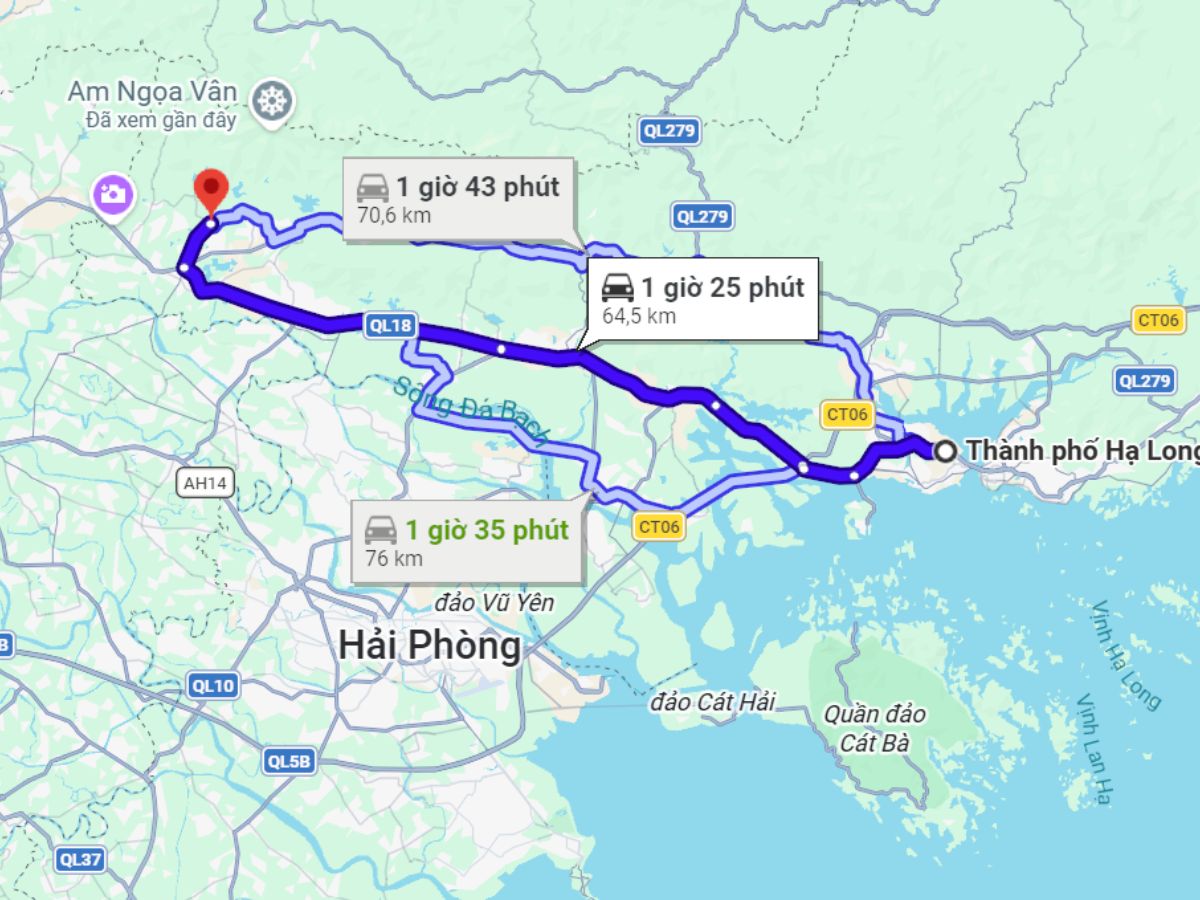
The journey to An Sinh Temple is quite convenient with the connecting axis between Dong Trieu – Uong Bi – Ha Long. (Source: Collected)
7. Suggested combination of visits when going to An Sinh Temple
7.1. Combining An Sinh Temple with the Tran Dynasty relic complex
After offering incense at An Sinh Temple, visitors can continue their journey to explore the Tran Dynasty relic complex in Dong Trieu, where many tombs of Tran kings are concentrated, scattered across An Sinh ward and surrounding areas. The journey usually starts from the temple, then moves to typical tomb sites, combining sightseeing, historical learning, and contemplation in a quiet mountainous space. This arrangement helps the trip carry historical and spiritual depth, clearly recreating the role of Dong Trieu as the land of tombs associated with the Tran Dynasty, for visitors who love history and traditional culture.
7.2. Combining An Sinh Temple with nearby tourist attractions
With a relaxed 2-day itinerary, visitors can harmoniously combine a spiritual journey and a relaxing travel experience. On the first day, one should spend time visiting An Sinh Temple, offering incense and learning about the Tran Dynasty relic complex in the quiet mountainous space of Dong Trieu. In the afternoon, move to the Yen Tu area to sightsee, worship Buddha, and rest, enjoying the sacred atmosphere of the holy mountain.
On the second day, visitors travel to Ha Long, where the pace of experience becomes more vibrant with sightseeing and entertainment activities at Sun World Ha Long. This is a suitable stop to relax and have fun with family, concluding the trip with a balance between cultural depth and modern entertainment space.
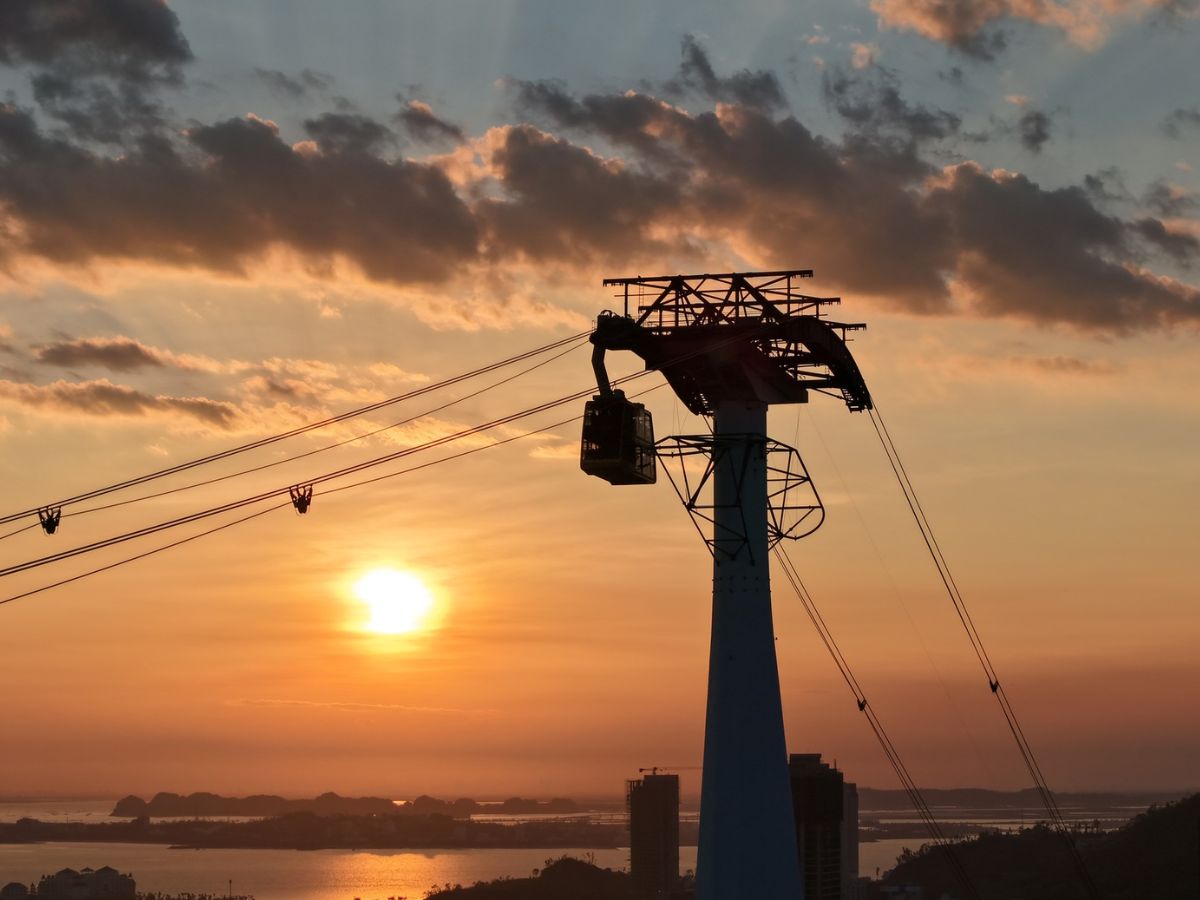
Experience riding the Queen Cable Car in the Sun World Ha Long tourist complex. (Source: Collected)
8. Experience and notes when visiting An Sinh Temple
When visiting An Sinh Temple, visitors should choose polite and modest attire, prioritizing long pants and sleeved shirts to suit the solemn spiritual space. During worship, maintain an appropriate demeanor, speak softly, and avoid crowding or using noisy devices. Regarding the timing, it is advisable to visit on weekdays or early mornings for a quiet and convenient space for worship. On major holidays, especially at the beginning of the year, the number of visitors is higher, so visitors should proactively arrange their time reasonably and follow the management's instructions to ensure a complete journey.
Concluding the exploration journey, An Sinh Temple is not only a sacred spiritual destination but also a place that preserves important historical imprints of the Tran dynasty in the Dong Trieu land. The solemn atmosphere, traditional architecture, and cultural values associated with the prosperous dynasty help make the visit deep and especially meaningful. Visiting An Sinh Temple is an opportunity for visitors to pause, honor ancestors, and connect with historical roots in a serene and culturally rich space.